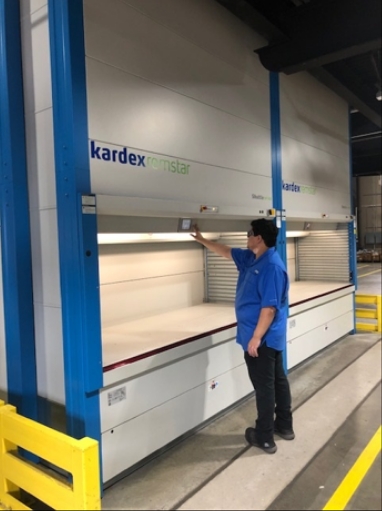

Efficient warehouse layout design does more than organize inventory. A thoughtful plan can reclaim up to 90% of wasted floor space, accelerate order picking, and lower operational costs. Relying on outdated layouts leads to avoidable bottlenecks, lost inventory, and even unnecessary building expansions. Instead, modern warehouse leaders turn to automated systems, vertical storage solutions, careful zoning, and operational consulting to boost productivity, safety, and ROI.
Warehouses across industries are under constant pressure to optimize every cubic foot. Managers need to deliver accurate inventory control, rapid order turnaround, and rigorous safety – all while maximizing capacity and minimizing costs. This guide offers actionable, concrete steps to help you analyze, design, and continuously improve your facility layout, allowing your organization to delay or avoid costly expansions, strengthen worker safety, and realize long-term efficiency gains.
Why Warehouse Layout Design Impacts Efficiency and Success
A well-executed layout is foundational to warehouse performance. It directly affects:
- Space optimization: Strategic use of vertical lift modules, pallet racking, and automated shelving expands capacity without new construction.
- Labor efficiency: Shorter, more logical travel routes boost pick rates and operator productivity.
- Safety and compliance: Proper aisle widths, marked walkways, and sturdy racking reduce the risk of injuries and inventory damage.
- Enhanced inventory control: Clearly defined zones, systematic slotting, and careful workflow mapping cut down on misplaced items and picking errors.
- Reduced operating costs: Better layouts decrease unnecessary walking, double handling, and energy use, and can even lower insurance premiums.
How much space or time could your operation save with a layout revision? Warehouses leveraging modern design standards, such as those provided by automated vertical storage systems and data-driven zoning, report significant, measurable improvements.
For organizations seeking deeper transformation, professional Warehouse Optimization consulting and operational efficiency services can uncover hidden inefficiencies and drive lasting results.
Assess Your Warehouse Needs
Redesign begins with a clear understanding of current operations. Before making changes, assess the following areas:
Inventory and Operational Analysis
- SKU velocity: Track which products move fastest to slowest. Regularly assess changes due to seasonality or promotions.
- Order profiles: Are orders typically single-line, multi-line, batch-picked, or highly varied? The profile influences ideal storage and picking methods.
- Storage requirements: Note dimensions, weights, fragility, special conditions (e.g., cold storage needs), and unique handling requirements.
- Seasonal peaks: Identify periods of increased inbound or outbound activity that pressure capacity and workflows.
Action Tip: Review your WMS or inventory tracking system for velocity and order history reports. If data is limited, collect manual counts during peak hours for a week.
Warehouse Space Utilization and Constraints
- Floor and cube usage: Measure floor area and check how much vertical space above current storage is unused.
- Physical barriers: Log the locations of columns, utility lines, doors, emergency exits, and HVAC equipment.
- Aisle and zone mapping: Record aisle widths and verify they align with material handling equipment requirements.
- Equipment and technology: Review condition and arrangement of current racking, shelving, conveyor systems, and automation components.
Assessment Checklist:
- Map the existing layout digitally or by hand.
- Calculate cube utilization (storage height versus building height).
- Photograph bottlenecks or congestion points.
- Record repeated travel paths, especially during busy shifts.
Identifying Bottlenecks and Inefficiencies
- Congestion zones: Where do traffic jams, long waits, or collisions occur?
- Backtracking: Has picking, storing, or replenishing inventory created excessive return trips?
- Queue points: Are products piling up at staging, packing, or shipping stations?
- Redundant handling: Is inventory moved or touched more than necessary before shipping?
Pinpointing these issues provides a roadmap for layout changes that drive tangible improvements.
Core Principles of Efficient Warehouse Layout
Warehouses run at their best when built on the following design fundamentals:
Flow and Zoning by SKU Velocity
- Direct routes: Plan for goods to move efficiently from receiving to storage, then picking, packing, and shipping, minimizing cross-traffic.
- Fast-movers up front: Store high-velocity products close to shipping docks or packing stations for fast access.
- Logical zoning: Group SKUs by picking frequency, product family, operational process, or handling method for smooth workflow transitions.
This reduces travel time, operator fatigue, and potential picking errors.
Maximizing Vertical Space
- Industrial vertical storage: Use tall, high-density racking or automated vertical lift modules to fully utilize warehouse height.
- Pallet racking: Stack pallets up to safely engineered limits to recover underused “air” above floor-level shelves.
- Mezzanines: Add elevated platforms to introduce a second layer of storage or work areas without expanding the footprint.
Investing in vertical capacity can often delay the need for major expansion projects.
Safety and Accessibility
- Compliant aisle widths: Maintain recommended minimum widths – typically 10–12 feet for material handling equipment travel lanes.
- Clear markings: Mark pedestrian walkways, vehicle lanes, hazard zones, and exits with high-contrast tape or paint.
- Adequate lighting: Equip all aisles, loading areas, and workstations with bright, uniform lighting to prevent accidents.
- Structural integrity: Secure racking and shelving with anchors and guards; conduct periodic inspections to maintain load ratings.
Safety best practices not only reduce injuries and downtime, but also support workforce satisfaction.
Popular Warehouse Layout Types
Warehouse layouts must align with inventory mix, order profiles, and facility needs. The most widely used configurations are compared below:
| Layout Type | Best For | Benefits | Drawbacks | Example Use Cases |
|---|---|---|---|---|
| U-Shaped | Balanced inbound/outbound, high volume | Efficient “loop” flow, easy supervision, short paths | Entry/exit point congestion | Consumer goods, large fulfillment |
| L-Shaped | Small or irregular buildings | Maximizes odd spaces, adaptable to corners | Scalability limits | Urban micro-warehouses, specialty |
| I-Shaped | Direct receiving-to-shipping flow | Straight material flow, easy cross-docking | Less flexible for complex zoning | E-commerce distribution, bulk items |
| Cross-Docking | Rapid order turnaround, little storage | Rapid transfer, reduces storage needs | Coordination demands | Perishables, just-in-time supply |
| Block Stacking | Homogeneous, high-volume SKUs | Simple stacking, no racks needed | SKU access limited, not for variety | Large-batch or overflow storage areas |
| Mezzanine | Height-restricted expansion needs | Multiplies capacity, separates tasks or inventory | Installation cost, code compliance | Parts, kitting, returns, packaging |
Select the pattern that supports your receiving, storage, picking, and shipping requirements. Adaptations can be made over time as business needs change.
Step-by-Step Warehouse Layout Design Process
To ensure optimal results and safety, use the following process for layout design or revision:
- Map and Audit the Existing Layout
- Document the placement of storage racks, workstations, machinery, docks, and walkways.
- Note inefficiencies or frequent congestion points.
- Ask: Is your current layout creating excessive travel or pick delays?
- Zone by SKU Velocity and Functional Areas
- Assign fast-movers to high-access areas close to packing/shipping.
- Group similar operational processes (receiving, replenishment, packing) for smoother transitions.
- Select and Refine Layout Type
- Use your assessment to determine the primary layout (U, L, I, etc.).
- Factor in unique constraints and growth forecasts.
- Optimize Aisles and Material Flow Paths
- Adjust widths for your equipment and anticipated traffic.
- Designate one-way aisles where feasible for smoother flow.
- Mark crossings and intersections for safety.
- Build in Safety Measures
- Install guardrails on racking and mezzanines.
- Clearly mark emergency exits, fire extinguishers, and safety equipment.
- Maintain lighting and enforce unobstructed walkways.
- Implement Slotting and Technology
- Prioritize golden zone picking (hip-to-shoulder level) for fastest-moving SKUs.
- Plan power/data drops for automation or WMS upgrades.
- Use your WMS to support dynamic location assignments.
- Test, Simulate, and Adjust
- Employ digital simulation tools to model workflow before physical changes.
- Gather feedback during trial operation periods.
- Revisit zoning or aisle plans if new bottlenecks or safety issues appear.
When in doubt, consult with warehouse layout and design optimization services for in-depth modeling, technical expertise, and implementation support. Data, feedback, and safety compliance guide every step.
Most businesses experience ROI within 12–18 months after space optimization and automation upgrades, especially when layouts are directly tailored to their unique demands.
Best Practices and Tools for Layout Optimization
Successful space optimization draws on proven methods and leading-edge tools:
- Automated Storage Systems: Integrate vertical lift modules, vertical or horizontal carousels, and rack storage for high-capacity, high-density solutions.
- Vertical Lift Modules for vertical storage solutions are especially effective for goods-to-person picking, ergonomic access, and accurate inventory tracking.
- Slot by SKU Velocity: Relocate high-frequency SKUs into primary “golden” picking zones and regularly update positions using live WMS data. This minimizes unnecessary travel and speeds order picking.
- Apply Lean Principles: Remove extra movement or hands-on steps from workflows; right-size bins and shelves; keep workstations clear and organized.
- Invest in Modular and Scalable Equipment: Modular racks, mezzanines, and automated shelving systems allow for painless expansion or reconfiguration.
- Explore Cost-Effective Automation: Upgrade shelf capacity or order picking operations with used warehouse storage equipment options, lowering upfront investment while improving performance.
- Leverage Professional Consulting: Insights from Warehouse Optimization consulting and operational efficiency can uncover inefficiencies, recommend technology upgrades, and guide safety compliance.
Example: Distribution centers adding automated storage modules often achieve threefold storage capacity in the same space, with 50% or greater reductions in pick time.
Common Warehouse Layout Mistakes to Avoid
Sidestepping these pitfalls is critical to ensuring lasting efficiency and safety:
- Neglecting vertical storage: Failing to use all available height wastes valuable cube and drives up expansion costs. Solve with automated modules or mezzanines.
- Poor or random zoning: Storing high-velocity SKUs far from outbound zones slows workflow and increases picking time. Correct with velocity data and regular slotting updates.
- Overcrowded or constricted aisles: Under-width aisles increase accident risk and slow equipment. Ensure compliance with recommended widths and traffic markings.
- Ignoring dynamic needs: Static layouts can’t adapt to peak seasons, new SKUs, or business model shifts. Incorporate adaptable shelving and schedule regular layout reviews.
- Lack of technology integration: Relying only on manual processes increases error risk and labor costs. Introduce automation and inventory tracking wherever feasible.
Addressing these issues early minimizes workflow defects, improves worker morale, and enhances inventory security.
Planning for Future Growth and Flexibility
Warehouse layouts should never be static. For long-term success:
- Invest in scalable systems: Modular racking, automated storage units, and adjustable shelving allow for growth and easy adaptation as your inventory changes.
- Simulate future needs: Use design software or professional consultants to test capacity scenarios, product line expansions, and order surge conditions before committing to physical changes.
- Design for multi-channel flexibility: Anticipate e-commerce growth and fluctuating order volumes by providing adjustable picking, packing, and staging zones.
- Enable retrofitting and upgrades: Choose equipment with built-in compatibility for new automation, WMS, or safety features. Plan power and IT infrastructure for anticipated additions.
Proactive planning reduces future capital needs, simplifies upgrades, and maintains a competitive edge.
Frequently Asked Questions (FAQs)
What is the most efficient warehouse layout for high-volume orders?
- A U-shaped layout supports high throughput by creating a continuous flow loop from receiving to shipping, reducing travel distances and operator congestion. For fast, direct flow, I-shaped configurations also work well.
How can vertical space improve capacity without expanding the footprint?
- Tall racking, automated vertical lift modules, vertical carousels, and mezzanines let you store more products within the same square footage, often reclaiming up to 90% of underused cubic space.
What does SKU velocity mean and why is slotting by velocity important?
- SKU velocity refers to how quickly an item moves through the warehouse. Grouping fast-movers near packing or shipping minimizes walking and speeds order fulfillment.
Which picking method works best for large warehouses?
| Picking Method | Best For | Advantages | Disadvantages |
|---|---|---|---|
| Discrete | Low-volume, varied | Easy to manage, low complexity | Slow for many lines or high volumes |
| Batch | Moderate to High | Simultaneous order processing | Requires careful sorting |
| Zone | High SKU count | Specialized picking, parallel ops | Coordination needed |
| Wave | Very High/Peak Demand | High throughput, optimized paths | Complex to schedule/manage |
Batch and wave picking are well-suited for large, multi-SKU operations using automation.
How do you ensure safety in warehouse layouts?
- Maintain appropriate aisle widths, mark pedestrian routes, install bright lighting, and secure all shelving and racking. Inspect regularly and align with OSHA-equivalent standards.
What are AS/RS (Automated Storage and Retrieval Systems) and when should they be used?
- AS/RS automatically store and retrieve items, ideal for high-density needs, minimal labor, or controlled environments (like cold storage). Use for goods-to-person picking or inventory with traceability needs.
How should a warehouse be designed for easy automation integration?
- Plan for clear, unobstructed equipment paths, sufficient ceiling height, reliable power/data access, and layout flexibility. Start with modular automation such as lift modules, carousels, or mobile robots.
What common mistakes should I avoid in layout design?
- Underutilized vertical space, random inventory placement, unsafe or tight aisles, and infrequent layout reviews undermine efficiency and safety.
How often should warehouse layouts be reviewed or refreshed?
- Annually, or whenever there are significant changes in SKUs, order profiles, technology, or operational challenges. Leverage WMS metrics and simulation tools for data-driven decisions.
For cost-effective, expert-guided improvements in space and workflow, contact Vertical Storage USA for a free quote and personalized warehouse solutions. With more than 22 years in business, an A+ BBB accreditation, comprehensive warranties, and installation teams serving all 50 states, Vertical Storage USA stands ready to help you reclaim space, reduce costs, and build a safer, more efficient operation. Call now for your free estimate and start realizing the benefits of professional warehouse space optimization.