
The world of robotics and manufacturing is evolving at breakneck speed. From AI-powered decision-making to collaborative robots working alongside humans, the future of production is being reshaped before our eyes.
At Vertical Storage USA, we’re excited to explore the cutting-edge trends that are revolutionizing the industry. In this post, we’ll dive into the key developments that are set to transform manufacturing processes and boost productivity across the board.
How AI Revolutionizes Manufacturing Robotics
Artificial Intelligence (AI) and Machine Learning (ML) transform manufacturing robotics, driving measurable improvements in efficiency, quality, and adaptability. AI-driven robots can be programmed to perform production and processing tasks, and can optimize material usage to reduce waste and overconsumption of resources. Vision systems enhanced with AI can now detect defects in real time, reduce waste, and optimize quality control processes.
Vertical Storage USA’s Goods to Person robots (integrated with AI) improve pick accuracy to 99.9%, significantly reducing errors and returns. This precision level proves crucial for businesses aiming to maintain a competitive edge in today’s market.
Predictive Maintenance: Uninterrupted Production
AI’s most impactful application in manufacturing is predictive maintenance. AI systems analyze vast amounts of sensor data to predict equipment failure, allowing for maintenance scheduling before breakdowns occur. Predictive maintenance in manufacturing can lead to 70% fewer failures, 50% less planning time, and 30% cost savings.
Adaptive Manufacturing: Flexibility Redefined
AI systems’ ability to learn and adapt revolutionizes production line operations. Adaptive manufacturing processes automatically adjust to changes in input materials, product specifications, or market demand. This flexibility proves particularly valuable in industries with frequent product changes or customization requirements.
An automotive manufacturer using adaptive AI systems reported a 30% reduction in setup time when switching between different car models on the same production line. This agility becomes increasingly important as consumer demands for personalized products continue to grow.
The Future of AI in Manufacturing
As AI and ML technologies evolve, we expect even greater improvements in productivity, quality, and efficiency. Manufacturers who embrace these innovations will position themselves to thrive in an increasingly competitive global marketplace.
The next frontier in manufacturing robotics involves the integration of collaborative robots (cobots) in the workplace. These advanced machines work alongside human employees, creating a new paradigm of human-robot interaction and reshaping traditional manufacturing environments.
Are Cobots the Future of Manufacturing?
Collaborative robots (cobots) transform the manufacturing landscape by working alongside human employees. These advanced machines enhance productivity while ensuring safety in shared workspaces.
Safety: The Cobot Advantage
Cobots incorporate sophisticated sensors and force-limiting technology, which allow them to detect human presence and adjust their movements accordingly. This built-in safety feature enables cobots to operate without protective barriers, maximizing floor space utilization. A study by Research Dive reports that the global collaborative robot market size was $1,430.00 million in 2022 and is predicted to grow with a CAGR of 36.3%, generating a revenue of $27,380.00 million.
Flexibility and Ease of Use
The flexibility of cobots stands out as one of their most significant advantages. Unlike traditional industrial robots, manufacturers can easily reprogram and redeploy cobots for different tasks. This adaptability proves particularly valuable for manufacturers with diverse product lines or frequent changeovers.
Vertical Storage USA’s Goods to Person systems (integrated with cobots) can be reprogrammed in as little as 15 minutes, compared to hours or even days for traditional robots. This quick turnaround time allows manufacturers to respond swiftly to changing production demands.
SMEs Embrace Cobot Technology
Small and medium-sized enterprises (SMEs) increasingly turn to cobots as a cost-effective automation solution. The relatively low initial investment and quick return on investment make cobots an attractive option for businesses looking to compete with larger manufacturers.
Real-World Applications
Cobots prove their worth across various manufacturing sectors. In the automotive industry, BMW has successfully integrated cobots into its production lines for tasks such as applying adhesives and installing door seals.
In the electronics sector, Foxconn has deployed cobots for intricate assembly tasks.
As cobot technology advances, we anticipate even greater adoption across industries. The combination of safety, flexibility, and ease of use makes cobots a compelling choice for manufacturers looking to stay competitive in an increasingly automated world. A study in 2023 showed that almost a third of the cobots purchased are used for material handling, followed by assembly and pick and place.
The next frontier in manufacturing robotics involves the integration of advanced sensors and Internet of Things (IoT) technologies, which promise to further revolutionize production processes and efficiency.
How IoT and Sensors Reshape Manufacturing
The integration of advanced sensors and Internet of Things (IoT) technology transforms manufacturing processes, offering unprecedented levels of data collection, analysis, and control. This technological leap forward enables manufacturers to achieve new heights of efficiency, accuracy, and remote management capabilities.
Real-Time Insights Drive Efficiency
IoT-enabled sensors revolutionize data collection on the factory floor. These devices capture vast amounts of information about equipment performance, environmental conditions, and production processes in real-time. A report by McKinsey suggests IoT in manufacturing could generate up to $3.7 trillion in economic value annually by 2025.
Manufacturers who leverage this technology can identify bottlenecks, optimize resource allocation, and make data-driven decisions faster than ever before. For instance, a food processing plant that implemented IoT sensors reported a 20% increase in overall equipment effectiveness (OEE) within six months of deployment.
Precision Manufacturing Reaches New Heights
The combination of advanced sensors and IoT connectivity dramatically improves manufacturing precision. High-resolution sensors detect minute variations in product quality, allowing for immediate adjustments to maintain consistency.
In the automotive industry, IoT-enabled quality control systems have reduced defect rates by up to 50% in some production lines. This level of precision not only improves product quality but also significantly reduces waste and rework costs.
Remote Control Revolutionizes Operations
IoT technology enables unprecedented levels of remote monitoring and control in manufacturing environments. Plant managers can now oversee operations, adjust parameters, and troubleshoot issues from anywhere in the world.
Remote monitoring and control systems enable businesses to improve operations through real-time data analysis and automated decision-making. This capability is particularly valuable for companies with multiple production facilities or those operating in challenging environments.
Advanced Solutions for Warehouse Management
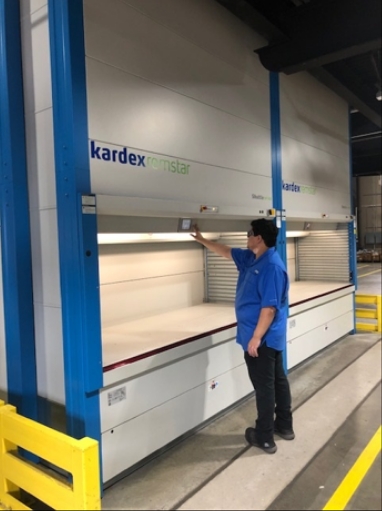
Vertical Storage USA exemplifies the trend of remote monitoring solutions for automated storage and retrieval systems. Their systems allow warehouse managers to track inventory levels, monitor equipment health, and optimize picking processes in real-time (even from off-site locations).
These advanced solutions (including Vertical Lift Modules and horizontal carousels) optimize space and streamline operations. High-speed sorting and accurate order fulfillment become possible with these cutting-edge systems.
The Future of IoT in Manufacturing
As IoT and sensor technologies continue to evolve, we can expect even greater advancements in manufacturing efficiency, quality, and flexibility. Manufacturers who embrace these innovations will position themselves to thrive in an increasingly competitive global marketplace.
Final Thoughts
The future of robotics and manufacturing unfolds rapidly, driven by groundbreaking advancements in AI, collaborative robots, and IoT technologies. These innovations reshape production processes, boost efficiency, and open new possibilities for businesses of all sizes. AI and machine learning revolutionize decision-making on factory floors, enable predictive maintenance, and facilitate adaptive manufacturing processes.
Collaborative robots break down barriers between humans and machines, create safer work environments, and offer unprecedented flexibility in production lines. The integration of advanced sensors and IoT technology provides manufacturers with unprecedented insights into their operations. Real-time data collection and analysis enable precise quality control, remote monitoring, and optimization of resource allocation.
At Vertical Storage USA, we dedicate ourselves to help businesses navigate this evolving landscape. Our advanced automated storage and retrieval solutions (including Vertical Lift Modules and robotic sortation systems) optimize warehouse operations and boost efficiency. We enable companies to streamline their processes and stay ahead in a rapidly changing market through the use of cutting-edge technology.